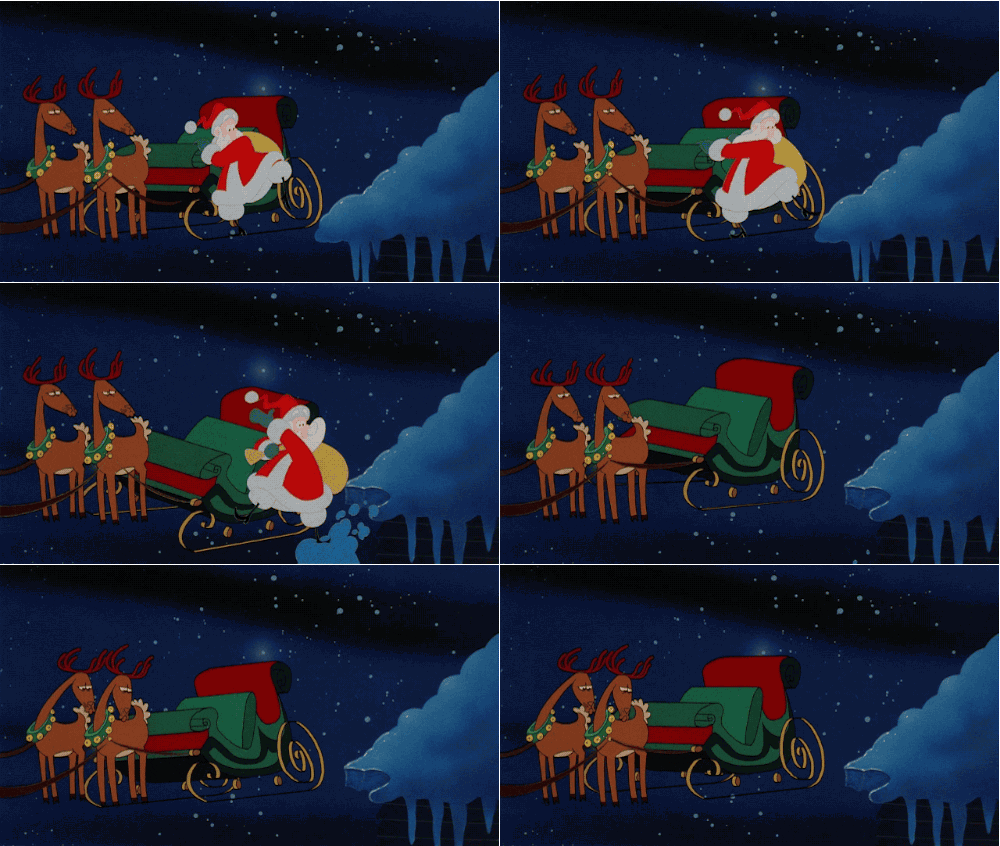
I heard a reindeer hoof, then Santa dressed in red, Came crashing through the roof and landed on my bed. I thought it was a dream, but quickly did I wake, As soon as I heard Santa scream, "I want a piece of cake!"
[Chorus] Oh, Santa Claus, Santa Claus, you are much too fat; I was sleeping peacefully but not my bed is flat. Oh! Santa Claus, Santa Claus, how much do you weigh? I'm glad I'm not a reindeer
that has to pull your sleigh!
He got up off the floor and said, "How do you do?" I said, "My back is sore, my head is black and blue." "So sorry!" he replied, and then he asked my name. He offered me a ride, I said, "No, thank you just the same!"
[Chorus] Oh, Santa Claus, Santa Claus, you are much too fat; I was sleeping peacefully but not my bed is flat. Oh! Santa Claus, Santa Claus, how much do you weigh? I'm glad I'm not a reindeer
that has to pull your sleigh!
I heard a "ho, ho, ho," the sleigh was in the sky. But it was moving slow and wasn't very high. It wobbled in the air, I hoped it wouldn't fall; Said Santa, chewing cookies, "Merry Christmas, one and all!"
[Chorus] Oh, Santa Claus, Santa Claus, you are much too fat; I was sleeping peacefully but not my bed is flat. Oh! Santa Claus, Santa Claus, how much do you weigh?
I'm glad I'm not a reindeer that has to pull your sleigh!
The Cerne Abbas giant is a chalk hillside figure or geoglyph of uncertain origins known as "The Giant" or "The Cerne Giant".
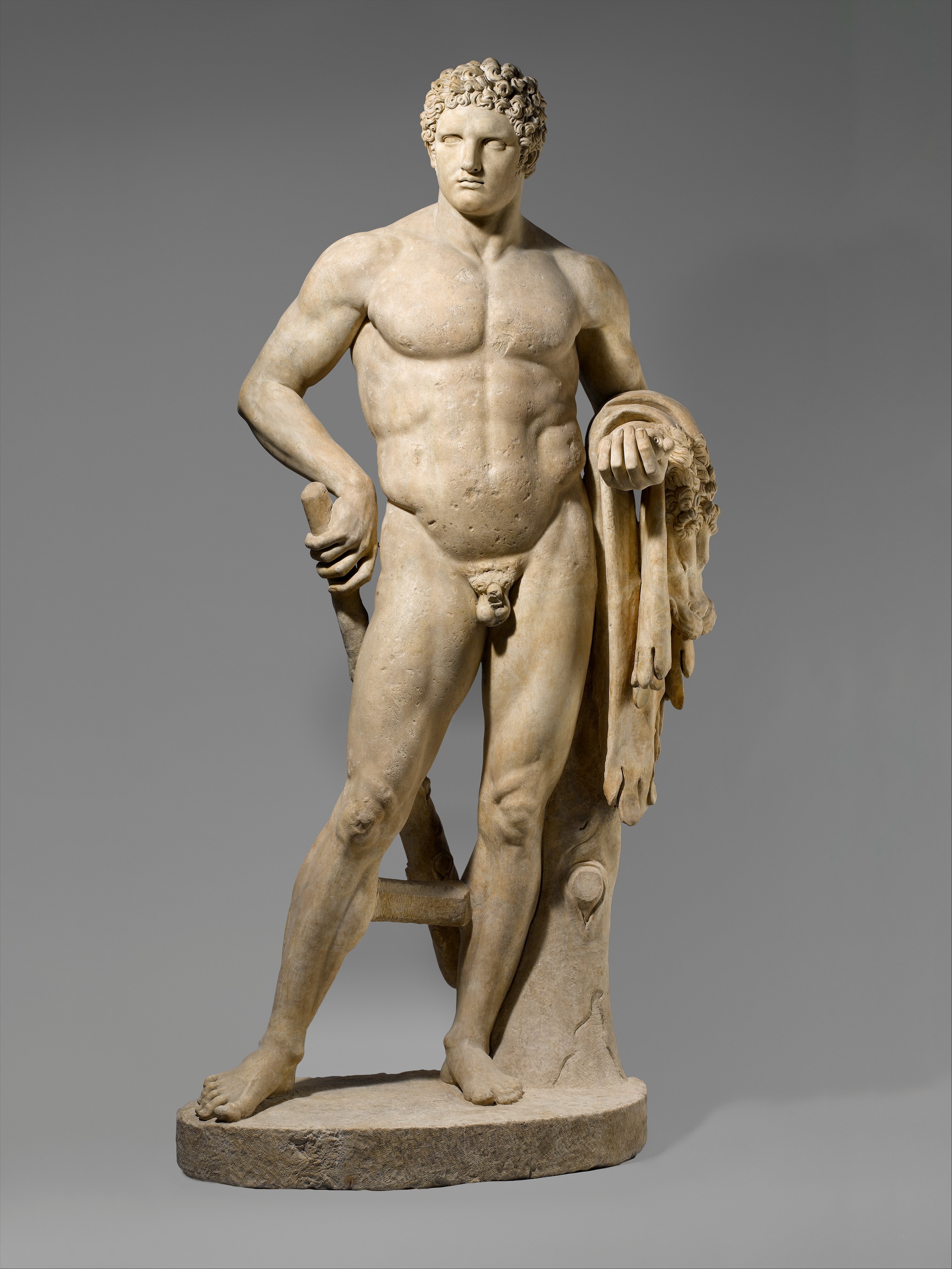
One of the principal ideas concerning the age of the giant and who he could represent, is that he is from the time of the Roman occupation of Britain, because he looks like the Roman godHercules.
A 1996 study discovered that originally the figure had a cloak or cape in his left arm, which was corroborated in 2008.
The cloak or robe could be an animal skin, giving credibility to the theory that he was hunter, or alternativelyHerculeswith the skin of theNemean lionover his arm.
The Cerne Abbas Giant is located just outside the small village ofCerne AbbasinDorset, about 48 kilometres west ofBournemouthand 26 kilometres north ofWeymouth. The figure is about 55 metres (180 ft) high and 51 metres (167 ft) wide. It is carved into the white chalk rock.
Hercules is the divine protector of humankind the god of athletes and the guardian of the gates of Olympia,
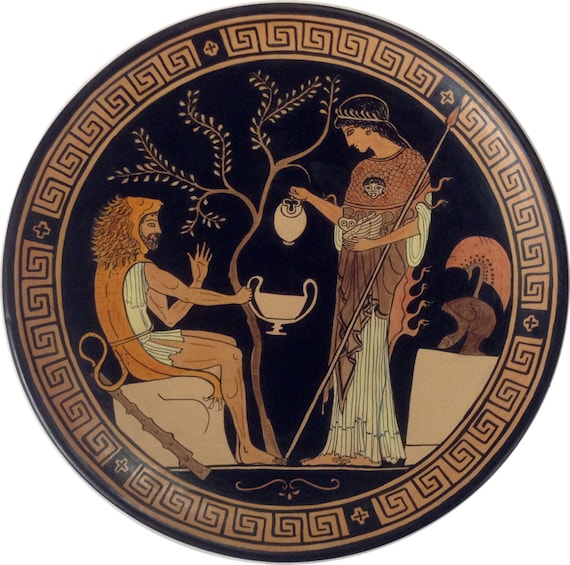
Athena his sister helped him when he had to work on the 12 labours.
He was 7 feet tall or 2,13 meters tall, carried a club of olive tree, was an expert in the bow and arrow and dressed with the skin of the Nemea´s lion which was impenetrable!
There is a constellation, the fifth largest, that honors him:
During July, look for the pattern of stars representing the famous strongman of mythology practically directly overhead by around 10 or 11 P.M.
"Hercules and the Corona Borealis" London, 1825 by Jehoshaphat Aspin
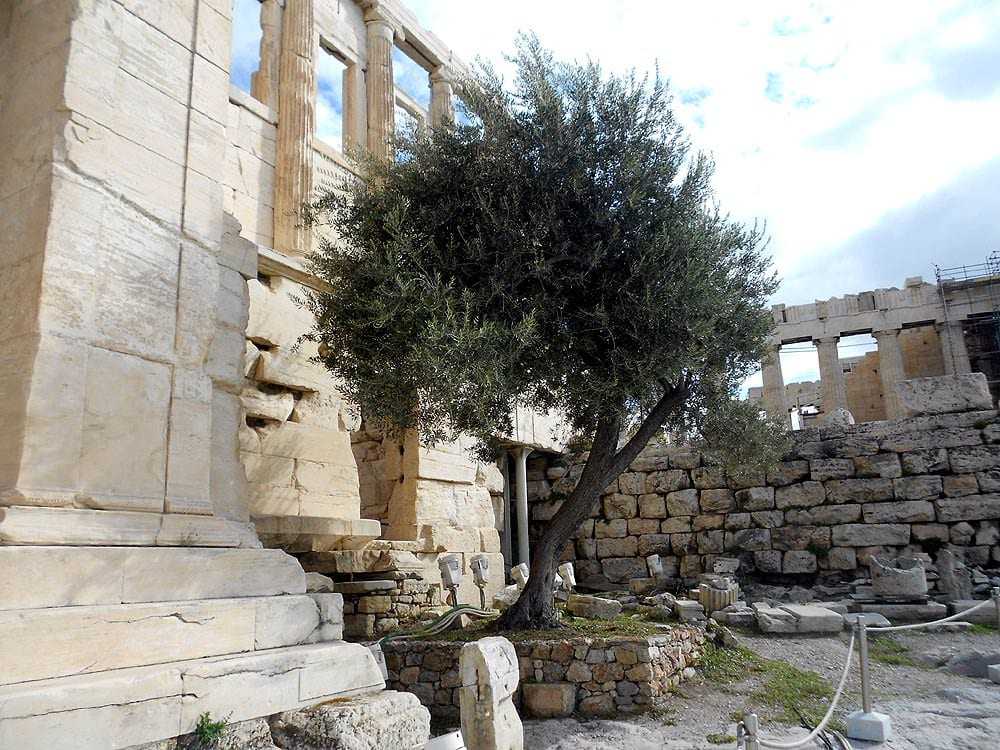
At the top of the Acropolis in Athens (Greece), is an olive tree that is a symbol of reverence and gratitude to the goddess Athena, founder of the city
The legend says, that Zeus proposed a contest between Athena and Poseidon for the possession of Athens. Poseidon raised up his trident, smashed it upon the hard rock of the Acropolis and out a salt spring sprang.
Athena produced an olive tree, with its branches full of fruits. This event between the two powerful gods was immortalized in stone, on the West pediment sculptures of the Parthenon.
Athenians chose Athena’s gift: the leaves were used to crown the heads of victorious athletes, generals and kings, the wood used to construct houses and boats, as fuel to lamps and it was applied to the skin of Olympic athletes.
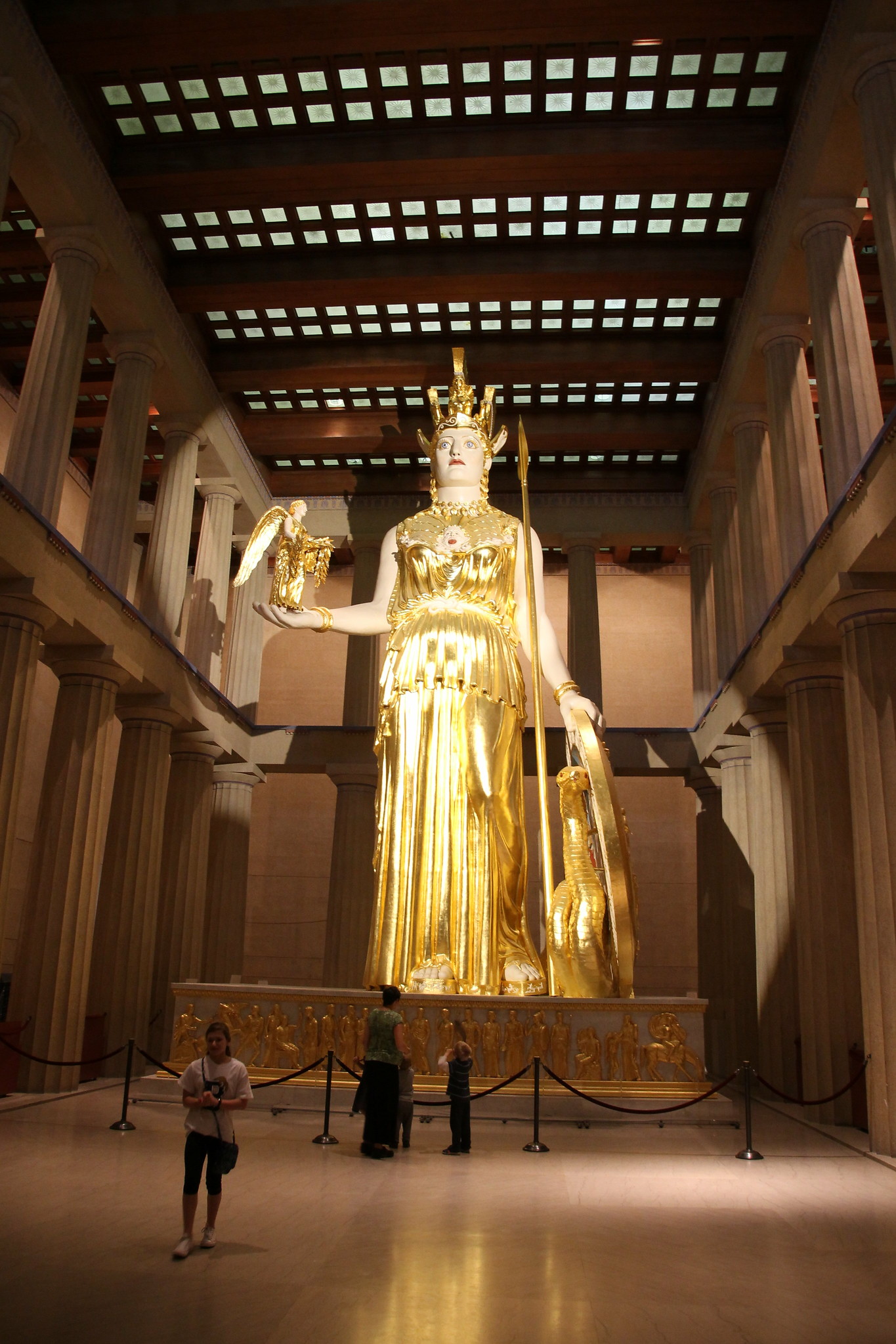
A Temple to Athena Polias (‘of the city’) was built c.525BC housing a cult statue inside made from olive wood and a reserved area created for Athena’s sacred olive tree.


/15-Hanging-Bridges-526-56a2016e5f9b58b7d0c5a9f1.jpg)